Real borehole maintenance is four unglamorous habits: filter changes, tank cleaning, treatment checks, and a periodic look at the pipework. Skip them for long enough and small problems turn into repair calls instead of maintenance visits. Here's what the upkeep actually involves, and how long a well-maintained borehole should last you.
What Maintenance Does a Borehole Actually Need?
Four recurring tasks cover most of it:
- Filter changes — removes sediment from the water before it reaches your taps.
- Treatment-unit checks — confirms the system is actually removing contaminants (iron is a common one) rather than just running.
- Tank cleaning — clears residue and sediment build-up that settles over time.
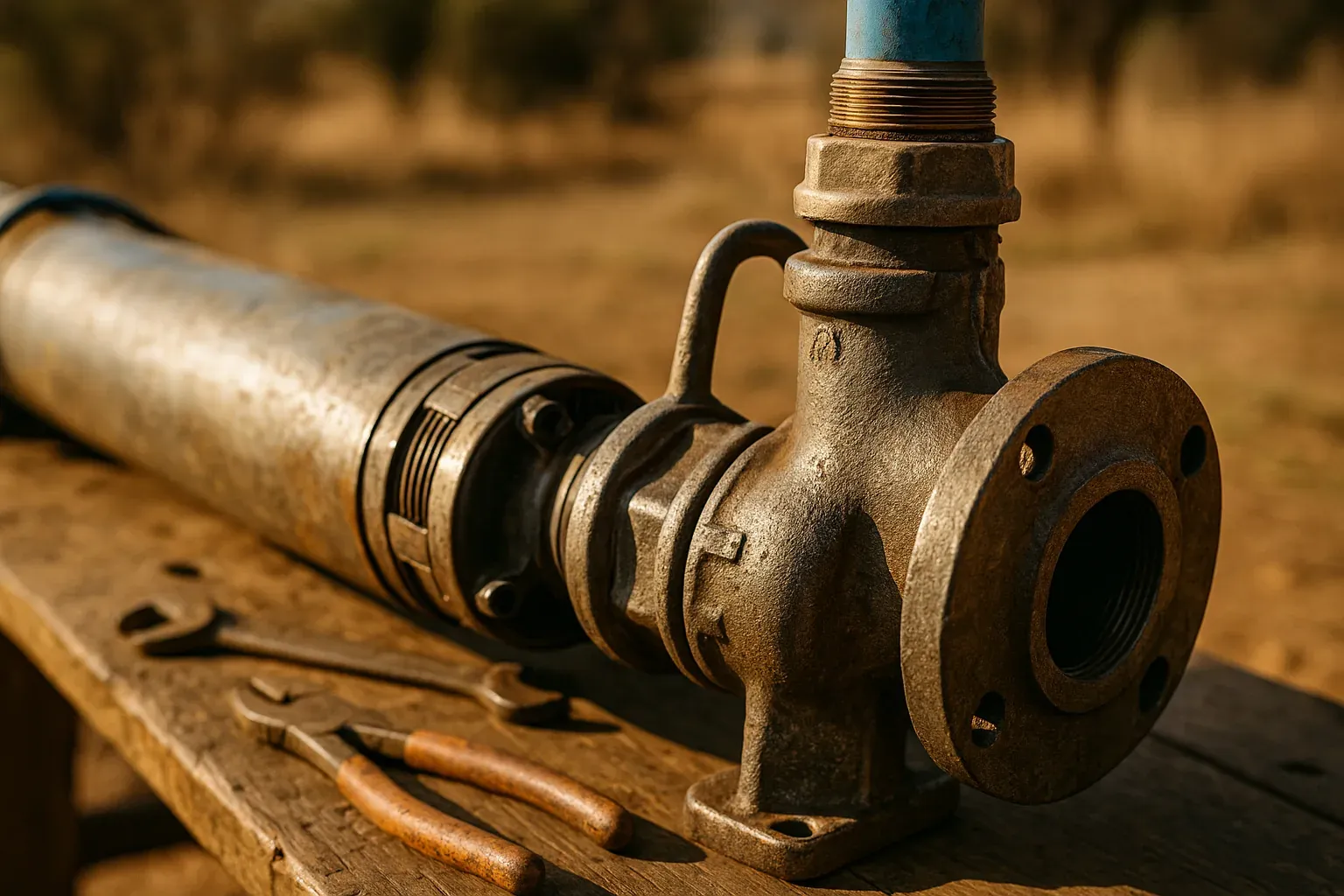
- Visual inspection of pipework and fittings — catches small leaks or wear before they become bigger problems.
None of this is optional busywork. Skipping it is one of the more common ways a perfectly good borehole slowly turns into a problem one.
How Often Should You Get It Checked?
There's no single number that fits every borehole — usage, water quality, and the equipment installed all play a part. As a general guide, most owners are well served by an annual check, and sooner than that if you notice anything change: a drop in pressure, discoloured water, or the pump behaving differently. If in doubt, get it looked at rather than waiting.
How Long Does a Borehole Actually Last?
A well-built borehole can last 20 to 50 years — but that range depends heavily on how well it's maintained. The tasks above aren't just chores; they're the difference between a borehole that gives you two decades of reliable water and one that gives you five decades.
Signs Your Borehole Needs Attention
A few real warning signs worth knowing:
- Reduced water pressure or flow
- Air or muddy water coming out of your taps
- Your pump switching on more frequently than it used to
- Unusual noises from the pump or system
Any single one of these on its own isn't necessarily a crisis. But if you're seeing this kind of thing, it's a repairs question now, not a maintenance one — our borehole repairs guide covers what to do next.
Is Borehole Water Safe for Everyday Use?
Generally, yes — if it's properly filtered. Borehole water comes straight from the ground, so depending on your area's geology it can carry natural minerals, sediment, or microorganisms. A working filtration setup handles this fine for showering, washing, and general household use. Drinking water is the one area where testing matters most; see our water testing guide if you haven't had yours tested.
On electricity: a submersible pump does draw power to push water up from depth, but for a typical domestic setup it's usually not a major line item. The real figure depends on your pump size and borehole depth, so ask your installer for a number specific to your system rather than trusting a generic online estimate.
Due for a service, or not sure who to call? Get quotes for borehole servicing and maintenance from local providers — takes under a minute.